From Board Games to Belonging: How Game Haven / Castle Con Founder David Razidlo Is Building Community Through Tabletop Gaming
For David Razidlo, board games have always been about more than entertainment.
Growing up, he played cards with his grandparents. Later came Dungeons & Dragons, Magic: The Gathering and an ever-expanding world of modern board games. Along the way, he discovered something powerful: games create connections.
Today, Razidlo is turning that passion into a business through Game Haven, a Rochester-based web platform designed to help board gamers find one another, organize events and build local gaming communities.
Think of it as Netflix meets Meetup for board gamers. Users receive personalized game recommendations based on their interests, while the platform also helps them find local events, host gatherings and connect with fellow players.
"The great thing about board games is that you sit down with someone you don't know and immediately have a common goal," he says. "It creates a first-level connection. One of the people on our team today is someone I randomly played a game with. We kept playing together again and again. Now they’re a friend of five years and part of my team.”
Solving a Bigger Problem
The idea started with a simple frustration.
"You know what games you like and what your friends like," Razidlo explains. "But when you get four people together, how do you decide what to play?"
As he worked to solve that problem, he uncovered a bigger opportunity. Gamers weren't just looking for recommendations—they were looking for community.
"Everything was scattered," he says. "There were paper sign-up sheets at game stores, Meetup groups, different websites. We realized there were lots of people who wanted to play but didn't know how to find one another."
Launched in 2019 and gaining momentum in 2022 after Razidlo graduated from Collider’s first CO.STARTERS cohort, Game Haven helps users build personal game libraries, rate titles they've played and discover new games they might enjoy. At the same time, it provides tools for players to organize events and build local gaming communities.
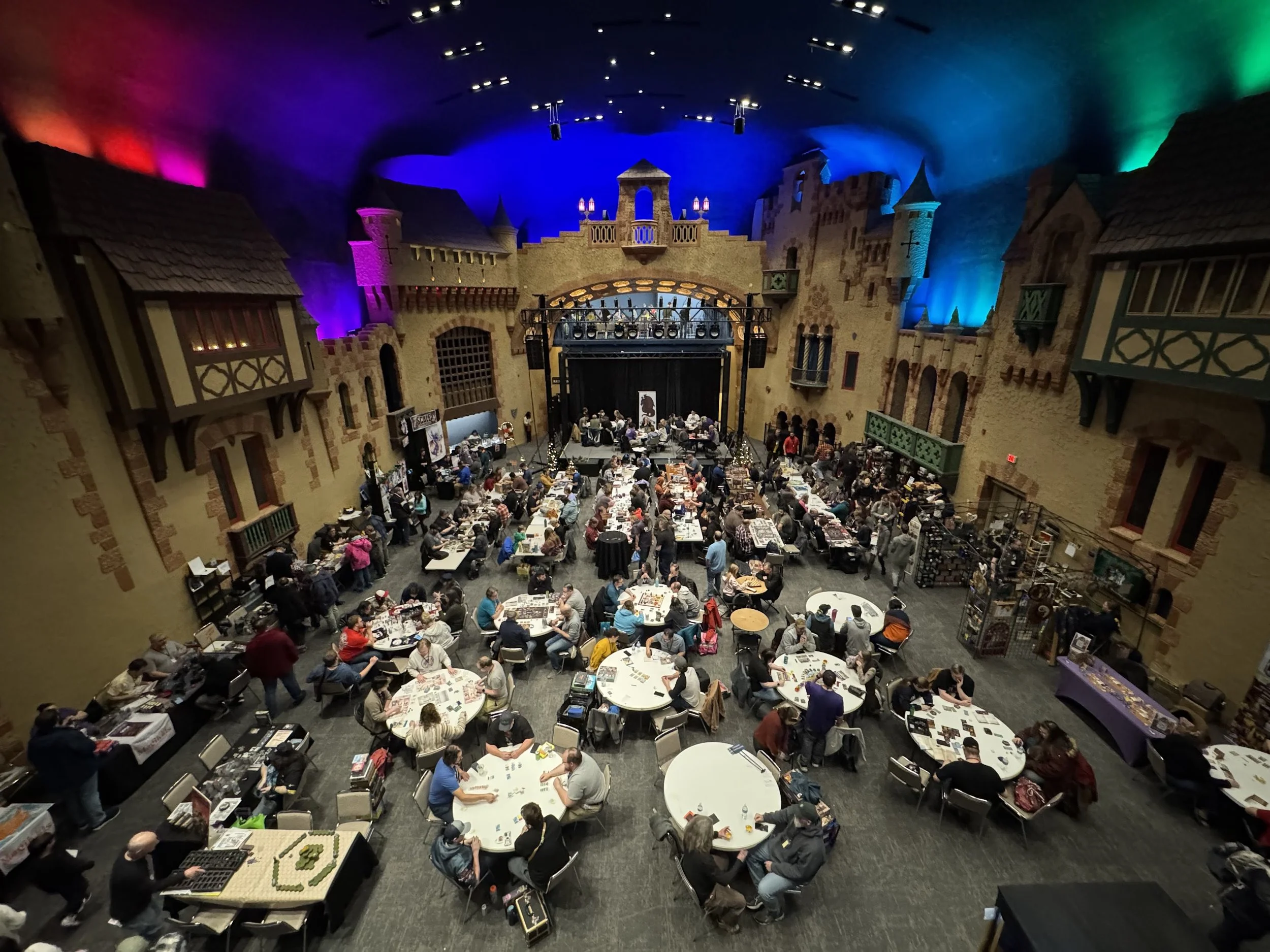
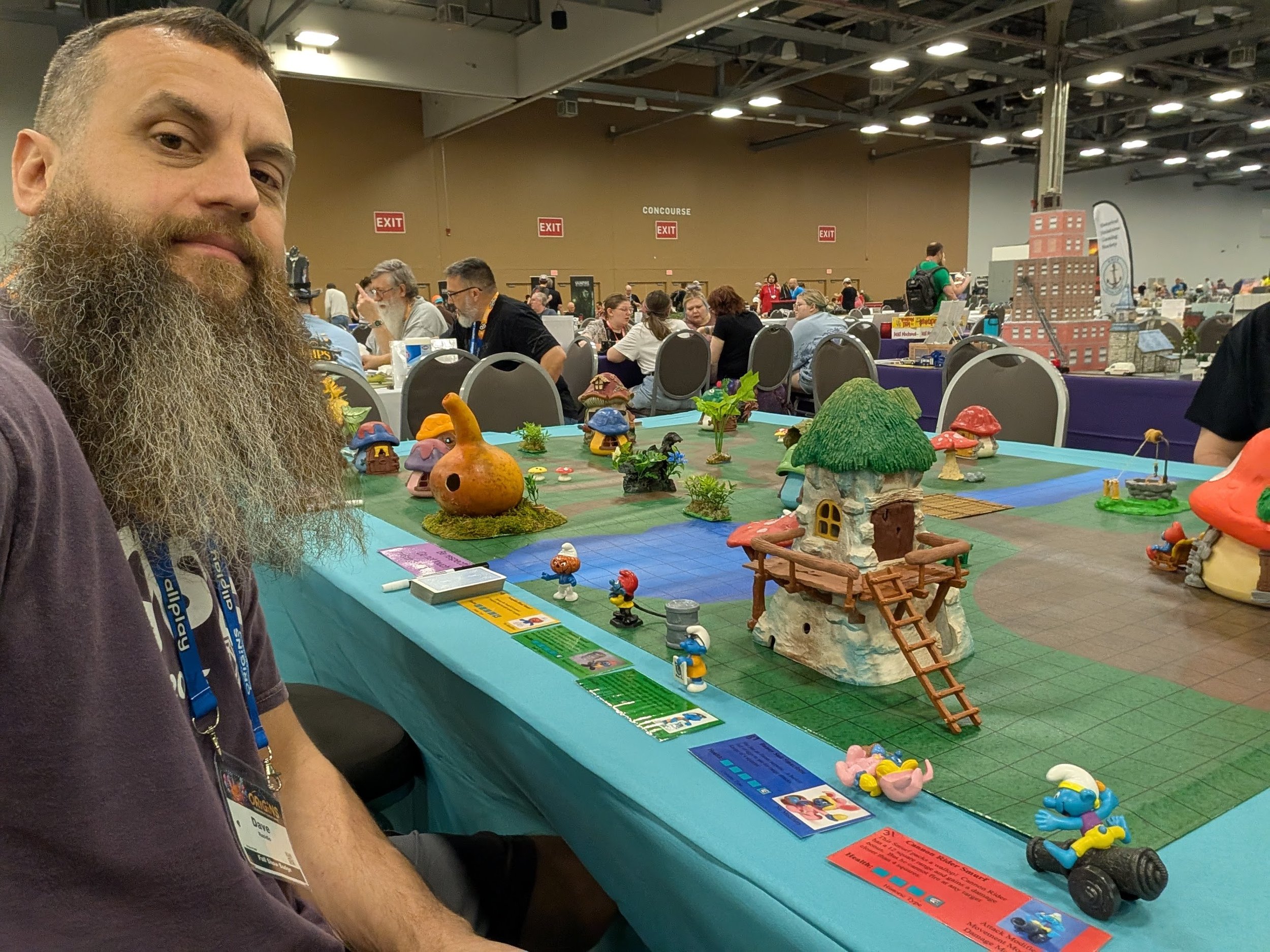
Today, the platform powers events ranging from small game nights to large conventions, making it easier for players of all experience levels to discover events and connect with fellow gamers. Last year, Game Haven hosted a board gaming convention, Castle Con, in downtown Rochester that attracted nearly 900 attendees. This year’s Castle Con – billed as a tabletop gaming extravaganza – is scheduled for August 14 -16 at the Historic Chateau Theatre.
But the business isn't really about games.
"It's about encouraging in-person communities to grow," Razidlo says. "We're building software that helps organize people."
Finding Support Through Collider
While Razidlo had experience in software development and previously worked in biomedical research, entrepreneurship was a new challenge.
"I knew how to build software," he says. "I didn't know anything about growing a business."
That changed when he connected with Collider.
After seeing an advertisement, Razidlo enrolled in CO.STARTERS, Collider's flagship program for early-stage entrepreneurs.
"It opened my eyes to all the resources available in Rochester," he says. "Honestly, all my business contacts, all my success and all my networking trace back to Collider."
Through CO.STARTERS and the relationships he built afterward, Razidlo found mentors, advisors and fellow entrepreneurs willing to share their expertise.
"One of the biggest things I learned is that there are tons of people out there willing to help," he says. "You just have to be brave enough to say, 'I don't know what I'm doing,' and ask for help."
Today, Razidlo remains connected to the entrepreneurial ecosystem and even serves as a CO.STARTERS facilitator, helping other founders navigate the challenges of building a business.
Wearing All the Hats
Like many entrepreneurs, Razidlo has found that running a company requires much more than developing a great product.
"Marketing, social media, hiring employees, business development—you end up wearing every hat," he says.
That willingness to learn has helped him continue growing Game Haven while balancing software consulting work and managing a team of volunteers who help run gaming events and conventions.
The company remains in growth mode, with hundreds of users and an ad-supported business model designed to keep the platform accessible.
"It's still early," he says. "The more people we can connect and the more events we can help create, the more valuable the platform becomes."
But Razidlo is quick to point out that entrepreneurship isn't a straight line. Each stage of growth brings new challenges, requiring new skills, new connections and new sources of support.
Getting started was one challenge. “Now the next challenge is growing our user base and figuring out how to make the business financially viable long-term," he says.
It's a reminder that building a business is often a marathon rather than a sprint. For Razidlo, one of the biggest lessons has been that support doesn't end after completing a program like CO.STARTERS. As Game Haven evolves, he continues to lean on Collider and Rochester's entrepreneurial community for guidance, feedback and connections.
Building What's Next
Game Haven isn't the only community-focused project on Razidlo's horizon.
He's also co-leading efforts, with Collider program participant Jimena Jimenez, to launch Med City Makerspace, a collaborative community workshop that would provide access to tools, equipment and creative space for makers, artists, hobbyists and entrepreneurs in Rochester.
Like Game Haven, the project is rooted in a belief that people thrive when they have opportunities to connect, learn and create together.
For Razidlo, that's what entrepreneurship is all about.
And if his advice to other entrepreneurs sounds simple, it's because he's lived it himself.
"There are resources everywhere," he says. "The key is being willing to ask for help."
That's a lesson Razidlo learned through Collider—and one he now shares with other founders starting their own entrepreneurial journeys.